Author: DevOps Tech Guy

  • My Journey: From Tamil Medium Student to DevOps Engineer

    Everyone has a starting point in life.
    But the truth is your starting point does not define where you will end up.

    Some people begin with advantages — English fluency, coding background, guidance, or exposure.
    Some people start with confusion, self-doubt, and limitations.

    I belonged to the second category.

    This is my story — not just about becoming a DevOps Engineer, but about persistence, self-belief, and the desire to grow beyond limitations.

    Humble Beginnings

    I studied in a Tamil medium school. Like many students from similar backgrounds, I didn’t have early exposure to programming, advanced technology, or fluent English communication.

    When I joined college, things became even more challenging.

    In my first year, I had four arrears.

    That phase was difficult. Watching others move forward while I struggled to keep up created a lot of self-doubt. I started questioning myself:

    • Am I good enough?
    • Can I really succeed in life?
    • Is this the limit of my capability?

    My confidence dropped. I felt stuck.

    But deep inside, there was still a small voice that said:
    “Don’t stop. Keep going.”

    Turning Failure into Fuel

    Instead of giving up, I made a simple but powerful decision:

    “I may not be fast, but I will not quit.”

    That mindset changed everything.

    I started focusing on consistency instead of perfection.

    • I worked hard to clear my arrears
    • I stayed patient during the process
    • I didn’t compare my journey with others

    Eventually, I cleared all my arrears and successfully completed my degree in Leather Technology from Anna University.

    It wasn’t a perfect journey.
    But it was a persistent one.

    First Job – But Not My Destination

    After graduation, I got a job in a production company.

    For many, this would be considered a success — getting a job, earning money, and settling down.

    But something didn’t feel right.

    Every day, I had a question in my mind:

    “Is this what I really want to do for the rest of my life?”

    I realized that I wanted something more — something challenging, something that could help me grow continuously.

    That’s when I started thinking about the IT industry.

    The Decision to Switch to IT

    Switching careers is never easy — especially when you come from a completely different background.

    I left my job and came back home.
    I decided to take a risk.

    At that point, my situation looked like this:

    • No coding knowledge
    • Weak English communication
    • No mentor or guidance
    • No clear roadmap

    But I had one thing:

    👉

    A strong desire to change my life.

    Learning Phase – The Real Struggle

    This was the toughest phase of my journey.

    I had to start from scratch.

    I began learning:

    • Linux basics
    • Networking concepts
    • Cloud platforms
    • DevOps tools and practices

    Every day was a challenge.

    There were moments when:

    • I didn’t understand concepts
    • I felt overwhelmed
    • I thought of giving up

    But I reminded myself of one thing:

    “If I stop now, nothing will change.”

    So I kept going.

    Slowly, things started making sense.

    The Breakthrough – My First Opportunity

    After consistent effort, I finally got an opportunity in a startup company.

    This was my turning point.

    The startup environment was intense:

    • Fast-paced work
    • High expectations
    • Continuous learning

    The first 4 months were extremely difficult.
    I struggled to keep up.

    But instead of quitting, I pushed harder.

    The next 8 months changed everything.

    • I learned by doing real projects
    • I improved my technical skills
    • I gained confidence

    This is where I truly transformed.

    Becoming a DevOps Engineer

    With experience and persistence, I eventually became a DevOps Engineer.

    Today, I am working at Zoho, one of the most respected product-based companies.

    When I look back, it feels unreal.

    From:

    • A Tamil medium student
    • A first-year student with arrears
    • A person with no coding background

    To:

    👉 A DevOps Engineer in a top company

    This journey taught me something very important:

    👉 Your background does not decide your future — your consistency does.

    My Mission – Empower the Tamil Community

    This journey is not just about me.

    I see many people who are in the same situation I was in:

    • Tamil medium students
    • Students with arrears
    • People afraid to switch careers
    • People who think IT is “not for them”

    I want to change that mindset.

    👉

    I want to build a strong Tamil DevOps community

    A community where:

    • People support each other
    • Knowledge is shared freely
    • Beginners feel confident to start

    Because I believe:

    Talent exists everywhere — opportunity and guidance do not.

    Why I’m Starting This Blog

    From today onwards, I am committing to something important:

    I will write blogs every single day.

    Through this blog, I will:

    • Share my real-life experiences
    • Teach DevOps concepts in simple ways
    • Provide career guidance
    • Help beginners start their journey

    This is not just content creation.

    This is my way of giving back to the community.

    Let’s Grow Together

    If you are reading this, I want you to know:

    👉 You are not alone.

    No matter where you are right now:

    • Struggling in college
    • Working in a non-IT job
    • Confused about your future

    You can change your path.

    You can reach out to me:

    • Ask your doubts
    • Share your problems
    • Seek guidance

    I will do my best to help you.

    Lessons from My Journey

    Here are a few lessons I learned along the way:

    1. Consistency beats talent

    You don’t need to be the smartest person.
    You just need to keep going.

    2. It’s okay to start late

    Everyone has their own timeline.
    Don’t compare your journey with others.

    3. Failure is part of growth

    Arrears, rejections, confusion — all are temporary.

    4. Self-belief is everything

    If you don’t believe in yourself, no one else will.

    5. Take risks

    Leaving my job was scary.
    But it changed my life.

    Final Message

    If there’s one thing I want you to remember, it’s this:

    “It’s okay to go slow…
    But never stop.”

    Your current situation is not your final destination.

    Start today.
    Learn daily.
    Stay consistent.

    👉 One day, your story will inspire someone else

    Next Steps :
    Follow our DevOps tutorials
    Explore more DevOps engineer career guides
    Subscribe to InsightClouds for weekly updates
    Devops tutorial :https://www.youtube.com/embed/6pdCcXEh-kw?si=c-aaCzvTeD2mH3Gv

  • Is OnePlus Shutting Down Globally? The Rumors, Reality, and What’s Happening in the Tech World

    The smartphone industry is changing rapidly in 2026. Reports suggest that OnePlus may reduce or oneplus shutdown operations in several global markets — but this story is part of a much bigger shift happening across the global tech ecosystem.

    Let’s break down the situation and connect it with the latest global technology news.


    OnePlus Globally Shutdown Rumors Explained

    Recent reports indicate that OnePlus could scale back smartphone operations in several regions, especially parts of Europe, possibly starting as early as April 2026.The speculation intensified after leadership changes inside the company, including the departure of Robin Liu, who returned to China during a broader restructuring phase.

    However, despite the rumors, the company is still launching new smartphones in 2026, including models expected in the Nord and flagship series.

    This means OnePlus may not disappear — it may simply shift strategy and markets.


    Why OnePlus Might Be Changing Strategy

    Several factors are pushing smartphone brands to rethink their global presence.

    1. Declining Shipments

    Reports indicate that OnePlus shipments dropped significantly in 2025, forcing the company to reconsider its global expansion plans.

    2. Rising Component Costs

    Smartphone manufacturers are facing rising costs for memory and storage components, which has already led to price increases across multiple brands.

    3. Integration With Parent Company

    OnePlus is becoming increasingly aligned with Oppo, which may lead to restructuring or brand repositioning.


    Global Smartphone Industry: What’s Happening Worldwide

    The OnePlus situation is actually part of a larger global trend in the smartphone market.

    According to industry reports, the global smartphone market is still growing, but slowly, with shipments rising about 4% year-over-year recently while cost pressures remain high.

    At the same time:

    • Phone prices are increasing in several regions.
    • Companies are consolidating brands.
    • Manufacturers are focusing on fewer but stronger markets.

    In China, smartphone prices have increased significantly across multiple brands due to rising production costs and market shifts.

    This indicates the industry is entering a new competitive phase.


    Major Global Tech News in 2026

    Source: OnePlus may shut down in global markets as early ...

    .


    The Future of OnePlus

    Instead of shutting down completely, OnePlus may evolve in one of these ways:

    1. Focus mainly on India and China
    2. Become more integrated with Oppo
    3. Target mid-range smartphones instead of premium devices
    4. Reduce presence in global markets like Europe

    In fact, India remains one of the company’s most important markets, which means the brand may still grow strongly here.


    What This Means for OnePlus Users

    If you already own a OnePlus phone, here’s the reality:

    • Your device will continue to work normally
    • Software updates are expected to continue
    • Customer support is still active
    • New devices are still being launched

    So there is no immediate risk for current users.


    Final Thoughts

    The OnePlus shutdown rumors are part of a much bigger transformation happening in the tech world.

    Across the globe we are seeing:

    • Tech layoffs
    • AI-driven restructuring
    • Rising smartphone costs
    • Market consolidation

    Instead of disappearing, OnePlus may simply be adapting to the next phase of the global tech industry.

    And in tech, adaptation is survival.

    Next Steps :
    Follow our DevOps tutorials
    Explore more DevOps engineer career guides
    Subscribe to InsightClouds for weekly updates
    Devops tutorial :https://www.youtube.com/embed/6pdCcXEh-kw?si=c-aaCzvTeD2mH3Gv

  • Building a Local Cloud Kitchen for Healthy Office Meals

    Introduction

    In today’s fast-paced work culture, especially in growing tech hubs, one problem remains consistently unsolved: access to affordable, healthy, and reliable daily meals.This is where the idea of a local cloud kitchen focused on healthy office meals becomes not just viable—but highly scalable.

    It is not a restaurant.
    This is a system-driven, subscription-based food business designed for predictable revenue and long-term customer retention.


    The Core Idea

    Start a cloud kitchen (delivery-only model) that provides:

    • Nutritious, balanced meals
    • Affordable daily lunch options
    • Weekly and monthly subscription plans

    The focus is simple:
    Make healthy eating easy, consistent, and affordable for working professionals.


    Why This Idea Works

    1. Daily Recurring Demand

    Food is not optional. People need it every day—this creates built-in demand.

    2. Growing Health Awareness

    Modern professionals are actively trying to:

    • Avoid oily outside food
    • Eat clean and balanced meals
    • Maintain fitness goals

    3. Subscription = Predictable Revenue

    Instead of chasing daily orders, you build:

    • Weekly plans
    • Monthly subscriptions

    This creates stable cash flow, which most small businesses lack.

    4. Underserved Market Gap

    While food delivery apps offer variety, they lack:

    • Consistency
    • Health-focused meals
    • Budget-friendly subscriptions

    This is your opportunity.


    Business Model Breakdown

    🎯 Target Customers

    Be very specific:

    • IT employees working long hours
    • Work-from-home professionals
    • Gym-goers and fitness-focused individuals
    • Young bachelors living away from home

    Your Offer

    Position your meals as:

    • Affordable: ₹100–₹180 per meal
    • Convenient: Delivered daily at fixed time
    • Healthy: Balanced macros, less oil, clean ingredients

    Subscription Plans:

    • Weekly: ₹700–₹1200
    • Monthly: ₹2500–₹4000

    Sample Menu

    Keep it simple, repeatable, and scalable:

    • Brown rice + grilled chicken
    • Millet-based meals
    • Healthy South Indian combos
    • High-protein vegetarian bowls
    • Low-carb fitness meals

    How to Start (Real Execution Plan)

    Step 1 — Validate Demand (Most Important Step)

    Before spending money, validate the idea.

    Talk to real people:

    • Visit office areas
    • Ask 20–30 professionals:
      “Would you pay ₹100/day for a healthy lunch?”

    Or run:

    • WhatsApp polls
    • LinkedIn posts

    If at least 30–40% show interest, you have a signal.


    Step 2 — Start with MVP (Minimum Viable Product)

    Don’t overbuild.

    Start small:

    • Cook from home or a small kitchen
    • Serve 5–10 customers
    • Deliver manually

    Your goal is not profit yet—
    Your goal is learning and feedback.


    Step 3 — Set Up Basics

    • Get FSSAI license (mandatory)
    • Buy basic kitchen equipment
    • Invest in good packaging (this builds brand perception)

    Step 4 — Get Your First Customers

    Focus on direct channels:

    • WhatsApp groups
    • Office communities
    • Friends & referrals
    • Instagram page

    Early customers = your first marketing engine.


    Step 5 — Scale Smartly

    Once you hit consistency:

    • Move to a shared kitchen
    • Hire a cook
    • Improve delivery logistics
    • Launch on food delivery platforms later

    Cost Breakdown (Initial)

    ExpenseEstimated Cost
    Kitchen Setup₹50,000 – ₹2,00,000
    Marketing₹5,000 – ₹10,000
    Raw MaterialsDaily variable

    Start lean. Scale only when demand is proven.


    Risks & Founder Thinking

    Every good idea has execution risks:

    1. Food Quality Consistency

    If taste changes, customers leave.

    Solution: Standardize recipes and measurements.


    2. Delivery Delays

    Late food = unhappy customers.

    Solution: Fixed delivery windows + route planning.


    3. Low Retention

    Customers may try and leave.

    Solution:

    • Consistent taste
    • Menu rotation
    • Subscription discounts

    Founder Assignment (Your Thinking Matters)

    If you want to truly become an entrepreneur, don’t skip this:

    1. Who is your exact ideal customer?

    Be specific. Not “everyone.”


    2. What makes your food different?

    • Taste?
    • Nutrition?
    • Price?
    • Convenience?

    3. How will you get your first 10 customers?

    No ads. Only hustle.


    4. What is your profit per meal?

    Example thinking:

    • Selling price: ₹150
    • Cost: ₹90
    • Profit: ₹60 per meal

    Multiply by 50 orders/day = ₹3000/day


    Final Thought

    This is not just a food business.

    It’s a system business:

    • Predictable demand
    • Recurring revenue
    • Scalable operations

    If executed well, this can grow from:
    10 meals/day → 100 → 1000+

    The key is simple:
    Start small. Validate fast. Improve daily. Scale smart.

    Next Steps :
    Follow our DevOps tutorials
    Explore more DevOps engineer career guides
    Subscribe to InsightClouds for weekly updates
    Devops tutorial :https://www.youtube.com/embed/6pdCcXEh-kw?si=c-aaCzvTeD2mH3Gv

  • Vibe Coding: The Future of Product Management and AI Powered Software Development

    The Collapse of the Distance Between Idea and Execution

    https://chriskirby.net/content/images/2024/02/AICodingAssistant.png
    https://media.licdn.com/dms/image/v2/D4D12AQGGzRODNRw5SA/article-cover_image-shrink_720_1280/article-cover_image-shrink_720_1280/0/1699407053781?e=2147483647&t=LAg-bU1ErrfO1ED_4hiY0QlG3LA8TVd8_mm8aa1UHaU&v=beta

    There is a structural shift happening in software development.

    It’s not just artificial intelligence.
    It is not just automation.
    It’s not just no-code tools.

    It’s the collapse of friction between idea and execution.

    We call this shift Vibe Coding.

    And it is redefining:

    • AI app development
    • SaaS startups
    • Product management
    • Indie hacking
    • The economics of software

    If you understand this shift early, you gain leverage.

    If you ignore it, you compete in a world that no longer exists.


    What Is Vibe Coding?

    Vibe Coding is the practice of building software using natural language prompts instead of manually writing every line of code.

    Instead of programming syntax, you describe intent.

    AI then:

    • Designs architecture
    • Generates clean code
    • Installs dependencies
    • Writes tests
    • Fixes bugs
    • Refactors logic
    • Improves UI/UX
    • Suggests performance improvements
    • Deploys applications

    Tools like Anthropic’s Claude Code and other AI coding assistants have transformed development into a collaborative conversation.

    You don’t “code.”

    You direct intelligence.

    This is not no-code.

    This is AI-assisted engineering.

    And it’s collapsing development cycles from months to hours.


    Why Vibe Coding Is the Future of Product Management

    Traditional product management looked like this:

    1. Idea
    2. Market research
    3. PRD (Product Requirements Document)
    4. Engineering handoff
    5. Sprint cycles
    6. QA
    7. Release
    8. Iteration

    Each layer added delay.

    And each handoff introduced misinterpretation.

    Each sprint slowed experimentation.

    Now?

    The new workflow looks like this:

    Idea → Prompt → Prototype → Feedback → Improve

    In a single day.

    This is not just AI coding.

    This is AI-powered product management.

    Instead of coordinating engineers, product managers now orchestrate AI systems.

    And Instead of writing 20-page requirement documents, they refine prompts.

    Instead of waiting two weeks for sprint reviews, they iterate instantly.

    The bottleneck is no longer engineering capacity.

    The bottleneck is clarity.


    The Economics of Software Have Fundamentally Changed

    Search interest for:

    • “Build apps with AI”
    • “AI app builder”
    • “How to build SaaS with AI”
    • “Can AI replace programmers?”
    • “No-code AI development”

    Is accelerating rapidly.

    Why?

    Because development costs are collapsing.

    Before AI-Assisted Coding:

    • Required experienced engineers
    • Required capital
    • Required weeks or months
    • Required coordination

    Now:

    A single motivated individual can:

    • Build an MVP in a weekend
    • Deploy globally
    • Iterate daily
    • Improve continuously

    When cost drops, experimentation explodes.

    And when experimentation explodes, innovation accelerates.


    The Democratization of AI App Development

    We’ve seen this pattern before.

    • YouTube democratized media
    • Podcasts democratized broadcasting
    • Substack democratized publishing

    Now AI is democratizing software.

    Anyone with a problem and a clear idea can build a solution.

    This shift will lead to:

    • Micro-SaaS explosions
    • Niche AI tools
    • Personalized dashboards
    • Custom DevOps panels
    • Vertical-specific productivity platforms

    The long tail of software is about to expand massively.

    And this time, you don’t need venture capital to participate.


    The Coming Tsunami of AI-Generated Applications

    We think the app ecosystem is crowded.

    It’s not.

    It’s pre-flood.

    When building software becomes as simple as describing it, expect:

    • Tools for ultra-specific hobbies
    • Personal workflow automation apps
    • Custom health tracking dashboards
    • Exam-specific education platforms
    • Hyper-niche DevOps monitoring tools

    These were never venture-scale ideas.

    They didn’t justify teams.

    Now they’re just prompts.

    The future will not be dominated by a few massive apps.

    It will be filled with millions of highly specialized tools.


    The Brutal Reality: Average Products Will Die Faster

    Lower barriers increase competition.

    When everyone can build:

    • Speed becomes normal
    • AI-generated code becomes standard
    • MVPs become easy

    So what matters?

    Differentiation.

    In an AI-saturated market, the real advantages are:

    • Problem selection
    • User empathy
    • Taste
    • Distribution
    • Feedback loops

    The winners won’t be the best coders.

    They’ll be the best problem-solvers.

    AI makes execution cheap.

    But insight remains rare.


    Does AI Replace Engineers?

    No.

    It amplifies them.

    Great engineers using AI tools:

    • Ship 5× faster
    • Refactor instantly
    • Test continuously
    • Prototype daily
    • Explore multiple architectures rapidly

    AI is not a replacement.

    It’s a force multiplier.

    However, the gap between average developers and elite engineers will widen.

    Those who learn to collaborate with AI will dominate.

    Those who resist it will stagnate.


    Why Niche SaaS Will Dominate the Next Decade

    Historically, niche markets were unattractive.

    Too small.
    And too fragmented.
    Too specialized.

    But when development cost approaches zero, niche becomes profitable.

    You can now build:

    • A Kubernetes lab tracking tool
    • A cloud cost optimization dashboard for a single use case
    • A DevOps metrics panel tailored to your stack
    • A productivity system for one industry vertical

    These products don’t need millions of users.

    They need 500–2000 highly committed users.

    That is the new SaaS opportunity.


    The New Skill Stack for the AI Era

    If you want to win in AI-powered development, focus on:

    1. Clarity

    Can you describe your product vision precisely?

    2. Systems Thinking

    Do you understand how components interact?

    3. User Empathy

    Do you deeply understand the user’s pain point?

    4. Rapid Iteration

    Can you test and refine fast?

    5. Taste

    Can you recognize quality design and usability?

    Coding syntax is becoming commoditized.

    Strategic thinking is not.


    Software Is No Longer the Moat

    Historically, building software was hard.

    That difficulty protected companies.

    Now that development is easier, the moat shifts to:

    • Brand
    • Community
    • Distribution
    • Insight
    • Speed of learning

    If everyone can build, advantage belongs to whoever understands users best.

    Execution is accessible.

    Understanding is scarce.


    The Rise of the Solo Founder Economy

    The biggest winners of vibe coding will be:

    • Solo founders
    • Indie hackers
    • Technical creators
    • Lean startup builders

    With AI-assisted development:

    One person can build.
    Single person can maintain.
    One person can scale.

    This is the rise of the one-person SaaS company.

    And we are just at the beginning.


    When Creation Becomes Cheap, Taste Becomes Expensive

    We are entering an era where:

    Idea
    → Prompt
    → Prototype
    → Feedback
    → Improvement

    Happens in a single day.

    The cost of experimentation has collapsed.

    When experimentation becomes cheap:

    Innovation compounds.

    The future of product management is not managing engineers.

    It’s managing intelligence.


    Final Thoughts: If You’re Sitting on an Idea

    Don’t wait for:

    • A technical co-founder
    • Funding
    • A large team
    • The perfect moment

    Open an AI coding assistant.

    Describe your idea clearly.

    Ship a prototype.

    Get feedback.

    Improve fast.

    The winners of the next decade won’t be those who code the fastest.

    They’ll be those who think the clearest.

    Vibe Coding is not a trend.

    It’s a structural transformation in how ideas become products.And the leverage it creates is extraordinary.

    Next Steps :
    Follow our DevOps tutorials
    Explore more DevOps engineer career guides
    Subscribe to InsightClouds for weekly updates
    Devops tutorial :https://www.youtube.com/embed/6pdCcXEh-kw?si=c-aaCzvTeD2mH3Gv

  • How to Speak So People Actually Want to Listen (Proven Communication Techniques)

    https://pi.tedcdn.com/r/talkstar-photos.s3.amazonaws.com/uploads/be6aba2a-9447-45e7-bdf3-ef087f455963/MollyWright_2021-embed.jpg?quality=82w%3D640&u%5Ba%5D=0.8&u%5Br%5D=2&u%5Bs%5D=0.5&u%5Bt%5D=0.03

    Most people don’t struggle with what to say.
    They struggle with getting people to actually listen.

    You’ve probably experienced this:

    • You explain something important… people look bored.
    • You share an idea… no reaction.
    • You speak in meetings… but your voice feels ignored.

    The truth?
    Listening is a skill. And so is speaking.

    One of the most powerful talks on this topic is by sound expert TED speaker Julian Treasure in his famous presentation “How to speak so that people want to listen.” His insights completely change how we think about communication.

    Let’s break down the most important lessons — and how you can apply them immediately.


    Why People Stop Listening

    Before improving how you speak, you need to understand why people tune out.

    Here are the biggest communication killers:

    1. Gossip

    Talking negatively about others makes people subconsciously think:
    “If they gossip about others, they’ll gossip about me too.”

    Trust drops instantly.

    2. Judging

    When you speak with constant criticism, people stop feeling safe around your words.

    3. Negativity

    Complaining drains attention and emotional energy.

    4. Excuses

    Blaming others removes credibility.

    If you remove these habits alone, your communication improves dramatically.


    The Foundations of Powerful Speaking (HAIL Method)

    Julian Treasure introduces a simple but powerful framework called HAIL:

    H – Honesty

    Say what you truly mean. No manipulation. No hidden agenda.

    A – Authenticity

    Be yourself. Don’t copy someone else’s speaking style.

    I – Integrity

    Do what you say. Consistency builds authority.

    L – Love

    Wish people well. Speak with goodwill.

    When your words come from this foundation, people naturally listen.


    The Hidden Power of Your Voice

    Your voice isn’t just sound. It’s an instrument.

    Most people only focus on words. But communication is much deeper.

    Here are the vocal tools you must master:


    1. Register (Avoid Speaking from Your Throat)

    Speaking from your throat sounds weak and tense.

    Instead:

    • Relax your jaw
    • Breathe deeply
    • Speak from your chest

    A lower, calm voice sounds more confident and trustworthy.


    2. Timbre (The Emotional Texture of Your Voice)

    Timbre is the “feel” of your voice.

    Warm, rich tones create connection.
    Sharp, harsh tones create distance.

    Tip:
    Smile slightly while speaking — it changes your vocal tone naturally.


    3. Prosody (Stop Speaking Monotone)

    Monotone speech is one of the fastest ways to lose attention.

    Instead:

    • Vary your pitch
    • Change speed occasionally
    • Use pauses strategically

    Silence is powerful.
    A well-placed pause makes people lean in.


    4. Pace (Slow Down!)

    Nervous speakers talk too fast.

    When you slow down:

    • You appear more confident
    • People understand you better
    • Your words carry more weight

    Think of great leaders — they rarely rush.


    5. Volume (Use Dynamic Range)

    Don’t shout constantly.

    Instead:

    • Lower your voice for emphasis
    • Raise it slightly for excitement
    • Whisper softly for powerful moments

    Dynamic voices are interesting. Flat voices are forgettable.


    The Power of Silence

    Most people fear silence.

    But silence:

    • Creates anticipation
    • Shows confidence
    • Gives listeners time to absorb

    Instead of filling every gap with “um” or “uh” — pause.

    Silence is not weakness.
    It’s control.


    How to Speak with Authority in Meetings

    If you want people to listen at work:

    1. Start with Structure

    Don’t ramble. Organize your thoughts.

    Use:

    • “There are three points…”
    • “Here’s the problem and the solution…”
    • “Let me explain why…”

    Structure signals leadership.


    2. Finish Strong

    Don’t fade out at the end of sentences.

    End statements with downward tone:

    • Not like a question.
    • Not like you’re unsure.

    Confidence lives at the end of your sentence.


    3. Make Eye Contact

    Eye contact:

    • Builds trust
    • Shows certainty
    • Commands attention

    If speaking to a group, rotate your gaze slowly.


    The Emotional Component of Communication

    People don’t remember words.

    They remember:

    • How you made them feel.
    • Whether you respected them.
    • Whether you seemed confident.

    When your emotional state is calm, your voice reflects it.

    Before important conversations:

    • Take 3 deep breaths.
    • Relax your shoulders.
    • Slow your speaking pace intentionally.

    Your internal state becomes your external voice.


    Practical Exercises to Improve Your Voice

    Here are exercises you can start today:

    Daily 5-Minute Vocal Warm-Up

    1. Hum gently for 60 seconds.
    2. Read a paragraph out loud slowly.
    3. Practice speaking with intentional pauses.
    4. Record yourself and listen critically.

    You’ll notice improvements within weeks.


    The “Pause Practice” Exercise

    During conversation:

    • Finish a sentence.
    • Count 1 second silently.
    • Then continue.

    This small habit makes you sound thoughtful and composed.


    The “Smile Voice” Test

    Record yourself speaking:

    • Once normally.
    • Once while slightly smiling.

    You’ll hear the difference immediately.


    Communication in the Digital Age

    Today, attention spans are short.

    If you:

    • Speak too long
    • Speak too fast
    • Speak without clarity

    You lose people instantly.

    Modern communication requires:

    • Clarity
    • Brevity
    • Confidence

    This applies to:

    • YouTube videos
    • Podcasting
    • Business meetings
    • Sales calls
    • Leadership conversations

    Why This Skill Changes Your Life

    When people listen to you:

    • Your ideas gain value.
    • Your leadership increases.
    • Your relationships improve.
    • Your confidence grows.

    Speaking is influence.
    Influence is power.

    The ability to command attention ethically is one of the most important life skills you can build.


    Final Thoughts: Speak to Be Heard

    Great communication isn’t about being loud.

    It’s about being:

    • Honest
    • Authentic
    • Intentional
    • Controlled

    Remove negativity.
    Master your vocal tools.
    Use silence strategically.

    And most importantly — care about the people listening.

    When your words come from clarity and goodwill, people don’t just hear you.

    They listen.

    Next Steps :
    Follow our DevOps tutorials
    Explore more DevOps engineer career guides
    Subscribe to InsightClouds for weekly updates – https://insightclouds.in
    Devops tutorial :https://www.youtube.com/embed/6pdCcXEh-kw?si=c-aaCzvTeD2mH3Gv

  • Major Money Milestones to Achieve in Your 20s – Blueprint for money making

    Most people spend their 20s upgrading lifestyle.Smart people use their 20s to upgrade leverage.If you get these money milestones right early, your 30s become powerful instead of stressful.

    This is the decade where:

    • Habits are formed
    • Income begins to grow
    • Risk tolerance is highest
    • Time is on your side

    Let’s break down the complete wealth blueprint for your 20s.


    Build a 3–6 Month Emergency Fund (Your Financial Safety Net)

    https://png.pngtree.com/thumb_back/fw800/background/20220531/pngtree-young-ceo-saving-money-at-desk-white-business-banking-photo-image_46857180.jpg

    Why This Is Your First Priority

    Before investing.
    Start trading.
    Before crypto.
    Start upgrading lifestyle.

    You need stability.

    An emergency fund protects you from:

    • Sudden job loss
    • Medical emergencies
    • Family crises
    • Unexpected repairs

    Without this buffer, one crisis can push you into high-interest debt.

    How Much Should You Save?

    3–6 months of essential expenses

    Example:
    If your monthly expenses are ₹35,000 →
    Your goal = ₹1,05,000 to ₹2,10,000

    If you’re self-employed or in a volatile industry, aim for 6 months minimum.

    Where to Keep It?

    • High-yield savings account
    • Liquid mutual fund
    • Separate bank account

    This money is not for vacations.
    It’s your peace-of-mind fund.


    Eliminate High-Interest Debt

    https://images.ctfassets.net/90p5z8n8rnuv/7HKbP0llfBLSFveNe28nlI/d8198771e07f20e3274c5c689b6f1a89/How_To_Pay_Your_Credit_Card_Bill_Asset_-_01.jpg

    Credit card interest rates in India can reach 36%–42% annually.

    No investment reliably beats that.

    Common high-interest debts:

    • Credit cards
    • Buy Now Pay Later
    • Personal loans
    • Consumer EMI purchases

    Strategy to Eliminate Debt

    Avalanche Method :

    1. Pay minimum on all debts
    2. Attack the highest interest first
    3. Roll that payment into the next

    Or

    Snowball Method (Psychological Boost):

    1. Pay smallest debt first
    2. Build momentum
    3. Move upward

    Until high-interest debt is gone, wealth building is slow.

    Debt-free is financial oxygen.


    Master Budgeting & Cash Flow (Control = Power)

    https://www.nerdwallet.com/tachyon/2025/08/50-30-20-graphic-v4.png?fit=600%2C1257

    Budgeting is not restriction.

    It’s awareness.

    You cannot grow what you don’t track.

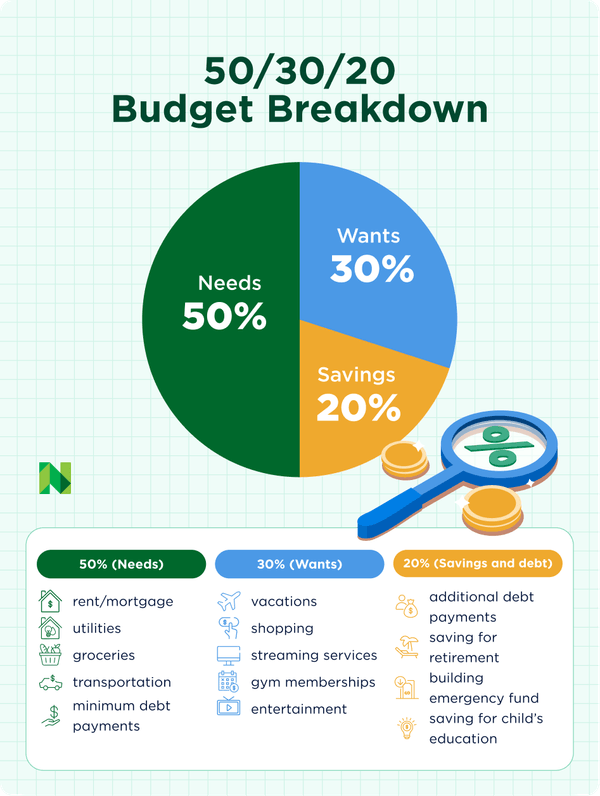
    Start With the 50/30/20 Rule

    • 50% Needs
    • 30% Wants
    • 20% Investments

    If you’re ambitious, try:

    • 40% Needs
    • 20% Lifestyle
    • 40% Wealth

    Tracking tools:

    • Excel
    • Notion
    • Google Sheets
    • Money tracking apps

    When you master cash flow, investing becomes automatic.


    Start Investing Early (Let Compounding Build Your Future)

    Time > Amount.

    If you invest ₹10,000/month starting at 23 vs starting at 30 and also the difference at 50 can be several crores depending on returns.

    That’s the power of compounding.

    Beginner Investment Options (India-Friendly)

    • Index Mutual Funds
    • SIP (Systematic Investment Plans)
    • NPS
    • PPF
    • ETFs

    Golden Investment Rules

    • Start early
    • Stay consistent
    • Avoid emotional investing
    • Think long-term (10–20 years)

    You don’t need to be rich to start investing.
    You need discipline.


    5️⃣ Build a Strong Credit Score (Silent Wealth Multiplier)

    https://cdn.dribbble.com/userupload/15138636/file/original-d2a3ea3803c8f4dc4c685eb67010b7d8.png

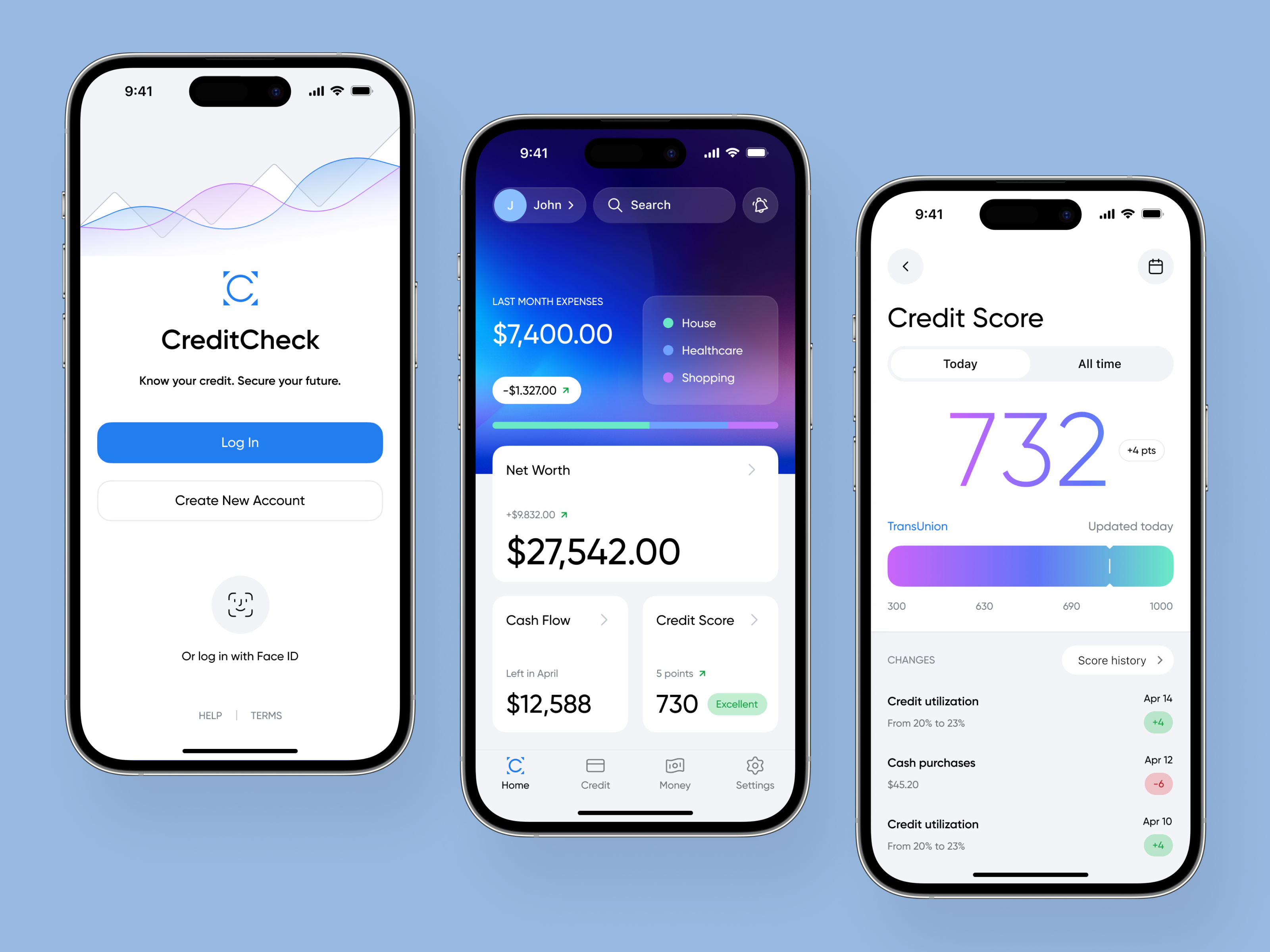
    Your credit score affects:

    • Home loan interest rates
    • Car loans
    • Business loans
    • Credit card approvals

    A difference of 1% in home loan interest can cost or save lakhs over time.

    Maintain a Healthy Score (750+ Ideal)

    • Pay bills on time
    • Keep credit utilization below 30%
    • Avoid too many credit applications
    • Maintain older credit accounts

    Good credit reduces lifetime financial costs.


    Increase Your Income (The Most Underrated Milestone)

    https://miro.medium.com/1%2AhlgTcR8XTK5Kcz-W1abDOw.jpeg

    You can only save so much.

    But income has no ceiling.

    In your 20s, your biggest focus should be:

    • Skill development
    • Strategic job switching
    • Negotiating salary
    • Freelancing
    • Building side income
    • Starting a business

    For tech professionals, high-growth areas include:

    • Cloud Computing
    • DevOps
    • Cybersecurity
    • Backend Development
    • AI & Automation

    Investing in skills often gives higher ROI than stock markets early in your career.


    Build Multiple Income Streams

    Relying on one salary is risky.

    Consider:

    • Freelancing
    • Content creation
    • Blogging
    • Dividend income
    • Digital products
    • Consulting

    Multiple streams create stability and accelerate wealth building.


    Learn Basic Tax Optimization

    Many young professionals ignore taxes.

    Understand:

    • Section 80C benefits
    • NPS tax deductions
    • Health insurance deductions
    • Capital gains taxation

    Tax efficiency increases real returns.


    The Complete Money Milestone Checklist

    MilestoneTarget
    Emergency Fund3–6 months expenses
    High-Interest DebtZero
    BudgetingMonthly tracking system
    InvestingStart SIP early
    Credit Score750+
    Skill GrowthUpskill yearly
    Income Streams2+ sources
    Tax PlanningAnnual review

    Final Thoughts: Your 20s Define Your 40s

    • Spent everything in their 20s
    • Delayed investing
    • Accumulated lifestyle debt
    • Ignored financial literacy

    But if you:

    • Build emergency savings
    • Eliminate debt
    • Invest consistently
    • Increase income
    • Stay disciplined

    Your 30s become a growth decade, not a recovery decade.

    Wealth is not built overnight.

    It’s built through boring consistency.

    Start early.
    Stay consistent.
    Think long-term.

    Your future self will thank you.

    Next Steps :
    Follow our DevOps tutorials
    Explore more DevOps engineer career guides
    Subscribe to InsightClouds for weekly updates
    Devops tutorial :https://www.youtube.com/embed/6pdCcXEh-kw?si=c-aaCzvTeD2mH3Gv

  • Free Cloud & DevOps tutorial: A Complete Beginner-to-Advanced Roadmap

    The demand for Cloud Computing and DevOps engineers is growing faster than ever. Companies want professionals who can design systems, automate deployments, manage infrastructure and ensure scalability without breaking production.

    The good news? You do not need expensive courses or paid bootcamps to get started. With the right roadmap, discipline, and hands-on practice, you can learn Cloud & DevOps completely for free.


    Why Most Beginners Fail at Learning Cloud & DevOps

    Before we dive into tools, let’s address a hard truth.

    Many beginners:

    • Jump straight into Kubernetes
    • Memorize cloud services without understanding basics
    • Watch tutorials but never build projects

    Cloud & DevOps is not about tools. it’s about systems thinking, automation, and problem-solving. That’s why this roadmap starts with fundamentals and gradually moves toward advanced topics.


    Core Foundations You Must Understand

    Before touching AWS, Docker, or Kubernetes, you should be familiar with:

    • Software Development Life Cycle (SDLC)
    • Agile & DevOps methodologies
    • How applications move from code → build → test → deploy
    • Basic Linux system administration (processes, files, permissions)
    Skipping fundamentals creates confusion later. Strong basics save months of struggle.

    Step 1: Programming Essentials for DevOps

    DevOps engineers automate everything. That means coding is mandatory — but you don’t need to be a full-stack developer.

    What to Learn

    • Python basics (variables, loops, functions)
    • Bash scripting
    • Working with APIs and JSON

    Free Resources

    Goal: Write scripts to automate tasks instead of doing them manually.

    Step 2: Networking Fundamentals

    Cloud is built on networking. If networking is weak, everything feels complicated.

    Key Concepts

    • TCP/IP, DNS, HTTP & HTTPS
    • Subnets and CIDR blocks
    • NAT, firewalls, and load balancers

    Free Resources

    Pro Tip: Most production issues are networking-related. Master this early.

    Step 3: Version Control & CI/CD Pipelines

    CI/CD is the backbone of DevOps automation.

    What to Learn

    • Git fundamentals (commit, branch, merge)
    • Continuous Integration vs Continuous Deployment
    • Writing pipeline YAML files

    Free Resources

    Practice by creating pipelines that:

    • Build applications
    • Run tests
    • Deploy automatically

    Step 4: Containerization – Master Docker First

    Containers revolutionized application delivery. But Docker must come before Kubernetes.

    What to Learn

    • Dockerfiles and image creation
    • Container lifecycle
    • Volumes and container networking

    Free Resources

    If Docker feels confusing, Kubernetes will feel impossible. Don’t rush.

    Step 5: Infrastructure as Code (IaC)

    Modern infrastructure is not clicked manually — it’s written as code.

    Tools to Learn

    • Terraform
    • Pulumi (optional but powerful)

    Free Resources

    Build infrastructure that can be recreated in minutes.


    Step 6: Kubernetes (Learn It at the Right Time )

    Kubernetes is powerful — but only after you understand containers and networking.

    Core Concepts

    • Pods, Deployments, and Services
    • ConfigMaps & Secrets
    • Scaling and self-healing

    Free Resources

    Many beginners fail because they start here. Be patient — it pays off.

    Step 7: Hands-On Practice with GitHub Repositories

    Projects turn theory into skill.

    Add github.com/ before the repo names:

    • bregman-arie/devops-exercises → Must-do DevOps practice questions
    • ramangali/Interview_Guide → Step-by-step interview preparation
    • NotHarshhaa/DevOps-Projects → Real-world DevOps projects
    • tomhuang12/awesome-k8s-resources → Curated Kubernetes resources

    Clone, modify, break, and rebuild projects.


    Step 8: Cloud Computing Foundations

    Now you’re ready for the cloud.

    What to Learn

    • Compute, storage, and networking services
    • Identity & Access Management (IAM)
    • Monitoring and cost optimization

    Free Resources

    Always track costs. Free tiers are powerful but not unlimited.


    What to Do After Learning the Stack

    Once you know the tools, focus on career growth:

    • Join Cloud & DevOps communities
    • Follow industry blogs and podcasts
    • Build real-world projects
    • Break systems and fix them
    • Use free tiers wisely
    • Earn certifications only if they add value

    Final Thoughts: How to Succeed in Cloud & DevOps

    Cloud & DevOps is a marathon, not a sprint.

    Consistency beats motivation. Hands-on practice beats tutorials. Fundamentals beat hype.

    Follow this roadmap step by step, and you’ll build skills that actually matter in real jobs.


    If you found this guide helpful

    Follow me for more Cloud & DevOps learning content
    Share this blog so others can learn too!

    Happy Learning & Automating

    Next Steps :
    Follow our DevOps tutorials
    Explore more DevOps engineer career guides
    Subscribe to InsightClouds for weekly updates
    Devops tutorial: https://www.youtube.com/embed/6pdCcXEh-kw?si=c-aaCzvTeD2mH3Gv

  • BNP Paribas DevOps Engineer- Complete Role Review, Salary, Culture, Interview Questions & How to Crack It

    If you are searching for a senior DevOps engineer role in a global banking MNC, BNP Paribas’ DevOps Engineer (Expert) position is one of the most stable, leadership-oriented, and long-term roles in India’s BFSI tech ecosystem.

    This blog covers everything in one place:

    • What the DevOps role actually involves
    • Required skills & real responsibilities
    • Salary, hikes, bonuses & benefits
    • Work culture & employee reviews
    • Pros & cons
    • Interview process & expected questions
    • Step-by-step plan to crack the role
    • Honest verdict on whether BNP Paribas is worth joining

    1. Who Is This Role For? (Read This First)

    This role is NOT for freshers or junior DevOps engineers.

    This role is ideal if you are:

    • A Senior DevOps Engineer (7+ years)
    • Already working with CI/CD, Kubernetes, Docker
    • Comfortable with mentoring & leadership
    • Interested in enterprise-scale DevOps
    • Want stability, governance, and long-term growth

    If you want:

    • Startup-style chaos
    • Fast experiments without process

    This role will not suit you.

    If you want:

    • Enterprise DevOps mastery
    • Leadership exposure
    • Banking-scale systems
    • Predictable career growth

    This role fits very well.


    2. DevOps Engineer (Expert) – Role Overview

    Job Title: DevOps Engineer – Expert
    Experience: 7+ years
    Locations: Mumbai / Chennai / Bangalore
    Work Mode: On-site (with partial smart working)
    Domain: Global Banking IT – Corporate Credits

    This is a senior individual contributor + technical leader role.

    You are expected to:

    • Own DevOps architecture
    • Drive improvements
    • Mentor teams
    • Represent DevOps in technical committees

    3. What You’ll Actually Do (Real Responsibilities)

    Core DevOps Work

    • Design & manage Jenkins CI/CD pipelines
    • Containerize applications using Docker
    • Migrate environments to Kubernetes
    • Manage multiple non-production environments
    • Solve complex deployment & environment issues

    Platform & Automation

    • Infrastructure automation
    • Configuration management (Ansible, Groovy)
    • DevOps obsolescence management
    • Improve deployment reliability & speed

    Leadership & Mentoring

    • Conduct knowledge-sharing sessions
    • Mentor junior & mid-level engineers
    • Peer programming
    • Participate in technical architecture reviews

    Organization-Level Contribution

    • Propose DevOps improvements to leadership
    • Participate in hiring & interviews
    • Influence DevOps standards across teams

    This role is much more than pipeline maintenance — it’s DevOps leadership.


    4. Tech Stack You’ll Work With

    CI/CD & SCM

    • Jenkins
    • Git
    • Bitbucket

    Containers & Orchestration

    • Docker
    • Kubernetes

    Configuration & Automation

    • Ansible
    • Groovy
    • Unix Shell Scripting

    Code Quality & Security

    • SonarQube
    • Vault (CyberArk)

    Monitoring (Optional but Valuable)

    • Dynatrace

    Cloud (Any One is Enough)

    • AWS
    • Azure
    • IBM Cloud

    5. Skills BNP Paribas Really Cares About

    Must-Have (Non-Negotiable)

    • Jenkins CI/CD (deep understanding)
    • Docker & Kubernetes (hands-on)
    • Git-based workflows
    • Unix/Linux scripting
    • DevOps best practices
    • Mentoring & communication

    Good to Have

    • Cloud experience (any one)
    • Observability tools
    • Enterprise security practices
    • Banking or regulated domain experience

    Behavioral Skills (Very Important)

    • Ownership mindset
    • Attention to detail
    • Collaboration
    • Problem-solving under pressure

    6. Salary, Hikes & Bonus (India – Approximate)

    Salary Range

    • DevOps Engineer (Expert): ₹22 – ₹35 LPA
    • Senior Expert / Lead Level: ₹35 – ₹45+ LPA

    (Depends on location, experience, and internal grade)

    Hikes

    • Annual performance-based hikes
    • Typically 7–15%
    • Promotions are structured and transparent

    Bonus & Benefits

    • Annual performance bonus
    • Health insurance (family included)
    • Retirement & pension benefits
    • Paid leaves & bank holidays
    • Learning & certification support

    BNP Paribas focuses on long-term wealth & stability, not aggressive short-term pay.


    7. Work Culture & Employee Reviews (Reality)

    Culture

    • Process-driven
    • Professional & respectful
    • Strong governance
    • Enterprise DevOps maturity

    Work-Life Balance

    • Better than most product companies
    • Smart Working (partial remote)
    • Predictable schedules
    • Rare late-night firefighting

    Learning & Growth

    • Strong internal mobility
    • Training programs
    • Exposure to global teams
    • Leadership tracks available

    8. Pros & Cons (Honest View)

    Pros

    • Excellent job stability
    • Strong global brand
    • Mature DevOps practices
    • Leadership exposure
    • Good work-life balance
    • Long-term career safety

    Cons

    • Slower decision-making
    • Heavy processes & approvals
    • Less freedom than startups
    • Innovation pace is controlled

    9. How to Crack This Role (Step-by-Step)

    Master Core DevOps

    • Jenkins pipelines (declarative & scripted)
    • Docker internals
    • Kubernetes architecture
    • Git workflows

    Practice Enterprise Scenarios

    • Multi-environment deployments
    • Rollbacks & failure handling
    • Secure secrets management
    • Pipeline performance optimization

    Leadership Preparation

    • Mentoring examples
    • Architecture improvement ideas
    • DevOps transformation stories

    Resume Strategy

    • Highlight impact, not tools
    • Show scale & ownership
    • Mention mentoring & leadership clearly

    10. Interview Process (Expected)

    DevOps Technical

    • CI/CD pipeline design
    • Jenkins, Git, Docker
    • Linux fundamentals

    Kubernetes & Architecture

    • Kubernetes migration strategy
    • Deployment failures
    • Scaling & reliability

    Behavioral & Leadership

    • Mentoring approach
    • Conflict handling
    • Improvement proposals

    Managerial / Fitment

    • Long-term goals
    • Banking domain mindset
    • Collaboration & ownership

    11. Expected Interview Questions

    DevOps

    • How do you design a secure CI/CD pipeline?
    • How do you handle failed Kubernetes deployments?
    • Blue-green vs rolling deployments?

    Jenkins

    • Declarative vs scripted pipelines?
    • Pipeline optimization techniques?

    Kubernetes

    • Pod lifecycle?
    • ConfigMaps vs Secrets?
    • Handling zero-downtime deployments?

    Leadership

    • How do you upskill a DevOps team?
    • Handling production incidents?
    • Driving DevOps improvements?

    12. Is BNP Paribas Worth Joining as a DevOps Engineer?

    YES, if you want:

    • Stability & job security
    • Enterprise DevOps mastery
    • Leadership growth
    • Banking-scale systems
    • Predictable career progression

    NOT ideal, if you want:

    • Startup-level speed
    • Rapid experimentation
    • Minimal process

    Final Verdict

    The DevOps Engineer (Expert) role at BNP Paribas India Solutions is a highly respected, stable, and leadership-oriented DevOps position.

    If your goal is to become:

    • A senior DevOps leader
    • An enterprise DevOps architect
    • Someone with global banking exposure

    This role is absolutely worth targeting.

    Next Steps :
    Follow our DevOps tutorials
    Explore more DevOps engineer career guides
    Subscribe to InsightClouds for weekly updates
    Devops tutorial: https://www.youtube.com/embed/6pdCcXEh-kw?si=c-aaCzvTeD2mH3Gv

  • Zoho Cloud Operations Engineer: Role, Skills, Salary & Career Growth (2026 Guide)

    Zoho is one of India’s most respected product-based companies, known for building scalable SaaS products used by millions of customers worldwide. Among the many critical roles at Zoho, the Zoho Cloud Operations Engineer plays a key part in ensuring reliability, performance, and availability of Zoho’s cloud infrastructure.

    If you’re aiming to work in Cloud, DevOps or SRE-like roles, this position is an excellent entry point.

    In this blog, we’ll cover:

    • What a Zoho Cloud Operations Engineer does
    • Required skills & tools
    • Zoho Cloud Operations Engineer salary in India
    • Career growth and future opportunities

    What You’ll Actually Work On as a Zoho Cloud Operations Engineer

    As a Zoho Cloud Operations Engineer, you won’t just monitor systems you’ll work very closely with product teams, R&D engineers and internal stakeholders to build, manage, and protect large-scale production infrastructure.

    This role gives you deep, real-world infrastructure ownership.


    1. Working Closely with Product & Engineering Teams

    • Collaborate with product teams to understand application requirements
    • Analyze user requirement emails and internal tickets
    • Design infrastructure based on scalability, performance, and reliability needs
    • Support new product launches and feature rollouts

    You act as a bridge between product engineering and infrastructure.


    2. Server Provisioning & Infrastructure Management

    You will be responsible for creating, configuring, and maintaining servers, including:

    • Bare metal & virtual servers
    • Linux OS installation and hardening
    • Capacity planning for growing workloads
    • R&D on server performance and OS-level tuning

    This builds strong fundamentals at the infrastructure level, not just cloud UI clicks.


    3. Load Balancer Management

    • Configure and maintain load balancers
    • Distribute traffic efficiently across multiple servers
    • Ensure high availability and fault tolerance
    • Handle traffic spikes and scaling needs

    Load balancing is critical for Zoho’s large user base, and you’ll master it hands-on.


    4. Firewall, Ports & Network Security

    Security is a core responsibility:

    • Configure and manage firewall rules
    • Open and close ports based on application needs
    • Prevent unauthorized access
    • Regularly audit network exposure

    You’ll gain deep networking and security knowledge not just surface-level rules.


    5. Domain & DNS Management

    • Domain configuration and management
    • DNS records (A, CNAME, MX, TXT, etc.)
    • SSL/TLS certificate handling
    • Troubleshooting DNS-related issues

    This is critical for production reliability and user access.


    6. Dependency Installation & Environment Setup

    You’ll handle:

    • Application dependencies
    • OS-level packages
    • Runtime environments
    • Library compatibility

    This ensures applications run smoothly across environments.


    7. Configuration Management (Salt, Puppet & More)

    work with configuration management tools, such as:

    • SaltStack
    • Puppet
    • Centralized configuration control
    • Consistent environment enforcement

    These tools help automate and standardize infrastructure at scale.


    8. User, Password & Production Access Management

    Production systems require strict access control:

    • Manage user accounts on servers
    • Secure password policies
    • Role-based access control
    • Production access audits

    This teaches enterprise-grade security practices used in top product companies.


    9. Server & OS-Level R&D

    You will:

    • Perform R&D on servers and operating systems
    • Optimize kernel parameters
    • Improve performance and stability
    • Evaluate new OS features and infrastructure improvements

    This makes you a true infrastructure expert, not just an operator.


    10. Preventing Attacks & Infrastructure Security

    Security is proactive, not reactive:

    • Identify vulnerabilities
    • Prevent DDoS and brute-force attacks
    • Monitor logs and suspicious activity
    • Apply security patches and updates

    You’ll learn how real-world production systems are protected.


    11. Mastery at Infrastructure Level

    By working in this role, you gradually master:

    • Servers
    • Networking
    • Security
    • Automation
    • Configuration management
    • Production systems

    What is a Zoho Cloud Operations Engineer?

    A Cloud Operations Engineer at Zoho is responsible for managing, monitoring, and maintaining data centre infrastructure that runs Zoho’s products and services.

    This role focuses on:

    • Infrastructure stability
    • System uptime
    • Incident handling
    • Performance monitoring
    • Automation of operational tasks

    Unlike pure DevOps roles, Cloud Operations is more hands-on with production systems, ensuring everything runs smoothly 24/7.


    Key Responsibilities of a Zoho Cloud Operations Engineer

    Here’s what you’ll typically work on:

    1. Infrastructure Monitoring & Maintenance

    • Monitor servers, applications, databases, and network components
    • Ensure high availability and minimal downtime
    • Identify and resolve performance bottlenecks

    2. Incident Management & Troubleshooting

    • Handle production incidents
    • Perform root cause analysis (RCA)
    • Work with engineering teams to prevent recurrence

    3. Cloud & Data Center Operations

    • Manage cloud resources (private & hybrid environments)
    • Server provisioning and capacity planning
    • OS-level troubleshooting (Linux-focused)

    4. Automation & Operational Tools

    • Write scripts to automate repetitive tasks
    • Improve operational efficiency
    • Reduce manual intervention

    5. Security & Compliance

    • Ensure systems follow security best practices
    • Apply patches and updates
    • Monitor logs and alerts for anomalies

    Skills Required for Zoho Cloud Operations Engineer

    To crack this role, you need a strong foundation, not just tools.

    Core Technical Skills

    1. Linux (Very Important)

    • Process management
    • File systems
    • Networking commands
    • Performance tuning

    2. Networking Basics

    • DNS, TCP/IP, HTTP/HTTPS
    • Load balancers
    • Firewalls and ports

    3. Cloud & Infrastructure Concepts

    • Virtualization
    • Containers (basic understanding)
    • Storage systems
    • High availability & scalability

    4. Monitoring & Observability

    • Metrics, logs, alerts
    • System health monitoring
    • Incident detection

    5. Scripting & Automation

    • Shell scripting
    • Python (basic to intermediate)

    Zoho Cloud Operations Engineer Salary in India (2025)

    Salary depends on experience, skill level, and interview performance.

    Average Salary Range

    Experience LevelSalary (₹ per annum)
    Fresher / Entry-level₹4 – ₹6 LPA
    2–4 years₹7 – ₹12 LPA
    5+ years₹12 – ₹20+ LPA

    💡 Zoho also offers:

    • Performance bonuses
    • Job stability
    • Strong work-life balance compared to many startups

    Zoho salaries may be slightly lower than some MNCs initially, but long-term growth and learning are excellent.


    Zoho Cloud Operations Engineer vs DevOps vs SRE

    RolePrimary Focus
    Cloud Operations EngineerSystem stability & operations
    DevOps EngineerCI/CD, automation, delivery pipelines
    Site Reliability Engineer (SRE)Reliability, SLIs, SLOs, error budgets

    Many engineers start in Cloud Operations and later move into DevOps or SRE roles.


    Career Growth After Cloud Operations Engineer

    This role opens multiple career paths:

    • Senior Cloud Operations Engineer
    • Site Reliability Engineer (SRE)
    • DevOps Engineer
    • Cloud Architect
    • Platform Engineer

    With strong fundamentals, you can also transition into FAANG-level infrastructure roles.


    How to Prepare for Zoho Cloud Operations Engineer Role

    Step-by-step preparation roadmap:

    1. Master Linux fundamentals
    2. Learn networking basics deeply
    3. Understand cloud architecture concepts
    4. Practice incident troubleshooting
    5. Build automation scripts
    6. Learn monitoring & alerting concepts

    Zoho values problem-solving and fundamentals more than buzzwords.


    Final Thoughts

    The Zoho Cloud Operations Engineer role is ideal if you:

    • Love working close to production systems
    • Want strong infrastructure fundamentals
    • Prefer stability with deep learning
    • Aim for DevOps or SRE roles in the future

    If you’re serious about a long-term career in Cloud, DevOps, or SRE, this role is a powerful starting point

    Next Steps :
    Follow our DevOps tutorials
    Explore more DevOps engineer career guides
    Subscribe to InsightClouds for weekly updates
    Devops tutorial :https://www.youtube.com/embed/6pdCcXEh-kw?si=c-aaCzvTeD2mH3Gv

  • Home Cinema Magic: Best Projectors for Home, Office & Parties in India

    Turn any wall into a movie theatre – real experience, honest recommendations, best deals. of Best Projectors.


    How a Projector Turned Our Friends’ Party into a Mini Theatre

    Last weekend, something magical happened at my home.

    A few friends came over for a casual get-together. No fancy plans — just food, music, and conversations. Then someone said, “Let’s watch a movie.”

    Instead of crowding around a small TV, we connected a projector, dimmed the lights, and projected the movie on a plain wall.

    Instant cinema vibes.

    Loud laughter, immersive visuals, and that big-screen feeling — it felt better than a theatre because it was our space. That’s when I realized:

    A projector isn’t just a device. It’s an experience creator.

    In this blog, I’ll explain:

    • Why projectors are worth buying
    • Which projector is best for home, office, or budget
    • Honest use cases for each model
    • Best deals currently available in India

    Why Buy a Projector Instead of a TV?

    Searches like “best projector for home in India” are growing fast — and for good reason.

    Benefits of a Projector:

    • Huge screen size (100–200 inches)
    • Perfect for movies, sports & parties
    • More immersive than TVs
    • Portable & flexible setup
    • Better value than large TVs

    Whether you live in a flat, hostel, or independent house — a projector fits everywhere.


    Best Projectors in India (Real Use Cases & Best Deals)

    Below are handpicked projectors based on performance, value, and real usage.


    BenQ WXGA Business Projector

    Best for: Office, Classroom & Presentations

    💰 ₹33,990
    👉🏼 https://amzn.to/44H5mYf

    Why it’s useful:

    • High brightness for well-lit rooms
    • Sharp text & slides
    • Trusted BenQ build quality

    Best choice if you search for:

    • Best projector for office use
    • Projector for teaching
    • Business presentation projector

    LG CineBeam Laser Projector

    Best for: Premium Home Cinema Experience

    💰₹89,998
    👉🏼 https://amzn.to/4sclD1m

    This is for people who want theatre-level quality at home.

    Key highlights:

    • Laser projection (sharp & vibrant colors)
    • Ultra-short throw technology
    • Premium design
    • Ideal for Netflix, Prime Video, YouTube

    Best choice if you search for:

    • Best home cinema projector in India
    • Premium laser projector
    • 4K-style cinematic experience

    WZATCO Legend Pro Projector

    Best for: Budget Home Theatre Setup

    💰 ₹31,990
    👉🏼 https://amzn.to/499YGTF

    A strong performer for movie nights.

    Why people like it:

    • Good brightness
    • Solid contrast
    • Value-for-money pricing

    Perfect if you want cinema feel without premium pricing.


    Lumio Arc 7 Projector

    Best for: Stylish Homes & Family Use

    💰 ₹32,990
    👉🏼 https://amzn.to/3L2IQm2

    Key advantages:

    • Modern design
    • Balanced color output
    • Easy-to-use smart features

    Ideal for families who want simple setup and reliable performance.


    WZATCO Yuva Go Projector

    Best for: Beginners & Lowest Budget Buyers

    💰 ₹5,990
    👉🏼 https://amzn.to/3Ydlwow

    This is one of the cheapest projectors in India right now.

    Who should buy this?

    • First-time projector users
    • Students & kids
    • Casual movie watching

    💡 At this price, it’s unbeatable for fun and portability.


    BenQ XGA Business Projector

    Best for: Meetings, Training & Office Rooms

    💰 ₹29,989
    👉🏼 https://amzn.to/4ayFL7C

    Why it’s reliable:

    • Clear XGA resolution
    • Strong brightness
    • Long lamp life

    Perfect for corporate & professional use.


    Best Projector Comparison Table (Quick Choice)

    Use CaseRecommended Projector
    Office / TeachingBenQ WXGA / BenQ XGA
    Premium Home CinemaLG CineBeam
    Budget Home TheatreWZATCO Legend Pro
    Family EntertainmentLumio Arc 7
    Cheapest OptionWZATCO Yuva Go

    Buying Guide: How to Choose the Right Projector

    Before buying, check:

    • Brightness (Lumens)
    • Resolution (WXGA, XGA, Full HD)
    • Speaker quality
    • Portability
    • Budget

    Choosing the right projector saves money and improves experience.


    Final Thoughts: Projectors Create Memories

    That night with friends wasn’t special because of the movie —
    it was special because we watched it together on a big screen.

    A projector:

    • Brings people closer
    • Turns normal nights into events
    • Makes homes feel magical

    Choose the projector that matches your lifestyle and start your own home cinema story today.